Simple Trading Journal Template for Indicator Signals
An indicator can draw your attention to a possible trade, but it cannot tell the whole story. A signal may appear against the prevailing trend, directly beneath resistance, or before a candle has closed. That is why a useful trading journal records more than whether a signal worked. It captures the context, the decision, and the risk you accepted before you knew the outcome.
This guide gives you a practical journal template for indicator-based trades, including the entry stop outcome, a setup screenshot, and notes on trend, market structure, support and resistance, and price action. You can use it with moving averages, the Xhmaster Formula Indicator, or another tool. The goal is not to prove an indicator is right or wrong; it is to learn when its signals fit your trading plan.
Why Keep a Journal for Indicator Signals?
Indicators summarize or transform price data. They can help you spot momentum, trend direction, or a potential change in conditions, but a signal is not a complete trade plan. Before acting, you still need to ask: Does the signal agree with the broader trend? Is there room before a nearby support or resistance zone? Has price confirmed the idea with a candle close? Most importantly: where is the invalidation level?
A journal helps you answer these questions consistently. It also reduces hindsight bias—the tendency to remember a trade as obvious after it has played out. By recording what you saw before entry, you can review your actual process rather than the story you tell yourself afterward.
- Separate signal from decision: Record what the indicator showed and what you chose to do about it.
- Track context: Note trend, structure, and nearby zones that could affect the trade.
- Measure execution: Compare your planned entry and stop with what you actually did.
- Learn from a sample: Review a series of trades instead of drawing conclusions from one result.
The Simple Trading Journal Template
Copy the fields below into a spreadsheet, document, or paper notebook. Keep each entry factual and brief enough that you will use it regularly. Add a chart image before entry and, if useful, another after the trade closes.
Journal field What to record Date and time When the signal appeared and the time zone used. Market and timeframe Instrument, chart timeframe, and any higher timeframe you checked. Indicator signal What the tool showed, including the Xhmaster Formula Indicator or moving averages if used. Trend and structure Trend direction, recent swing highs and lows, and whether structure supports the trade idea. Support and resistance Nearby zones, their distance from entry, and any reason they may matter. Price action confirmation The candle-close condition or other price behavior required before entry. Entry, stop, and target Planned levels, actual levels, and the reason for the invalidation level. Risk and size Planned account risk and position size, according to your own rules. Setup screenshot A chart image showing the signal, zones, entry plan, stop, and relevant structure. Outcome and review Result in your chosen units, rule adherence, and one specific lesson.How to Fill In Each Part
1. Record the Signal Without Treating It as a Trade
Write down exactly what happened. For example: “Xhmaster Formula Indicator printed a possible long signal on the 15-minute chart,” or “price crossed above the 20-period moving average.” Avoid labels such as “strong buy” unless that wording is part of a defined, testable rule in your plan. The signal is information to investigate—not a promise of direction or profit.
Also note whether the indicator updates during the candle or only after here the candle closes. If a signal can change before the bar is complete, record that fact. A journal entry should reflect what was knowable at the time, not a signal that became clear only later.
2. Check Trend Alignment and Market Structure
Describe the trend in plain language. Are price swings forming higher highs and higher lows, lower highs and lower lows, or a range? If you use moving averages, record their direction and how price relates to them. For example, “price is above a rising 50-period moving average” is more informative than “bullish.” Neither observation guarantees what price will do next; it simply documents the conditions you considered.
Market structure gives the signal context. A potential long signal may carry a different meaning after price reclaims a prior swing high than it does while price is still making lower moving averages lows. Write down the relevant swing points and whether the trade would be with, against, or inside the current structure.
3. Mark Support and Resistance Zones
Mark areas where price previously paused, reversed, or showed a clear reaction. Treat support and resistance as zones rather than perfectly precise lines. Record the nearest relevant zone in the direction of the trade, too. A long entry just below resistance may have limited room, even when an indicator signal looks appealing. A short entry directly above support deserves the same scrutiny.
Do not add levels simply to justify a trade after the fact. Your setup screenshot should show the zones you identified before entry. In the review, you can compare those planned areas with what price actually did.
4. Wait for Price Action and the Candle Close
Define what confirmation means for your plan. It might be a candle closing beyond a level, a rejection candle at a zone, or a break and retest of a swing point. The specific rule is up to you, but it should be written before you take the trade. “Wait for confirmation” is too vague unless you can explain what you are waiting to see.
Then wait for the candle to close. An unfinished candle can look convincing and then change before the bar ends. If your plan requires a close above a level, a wick through that level is not the same thing. Record the closing price or the condition that was met, and do not quietly change the rule because you are eager to enter.
5. Write the Entry, Stop, and Invalidation Level
Record the planned entry and the actual entry separately. Do the same for the stop. Your stop should relate to a clear reason the trade idea would no longer be valid, such as a structure level or a predefined risk limit—not just a number chosen to make a position size convenient.
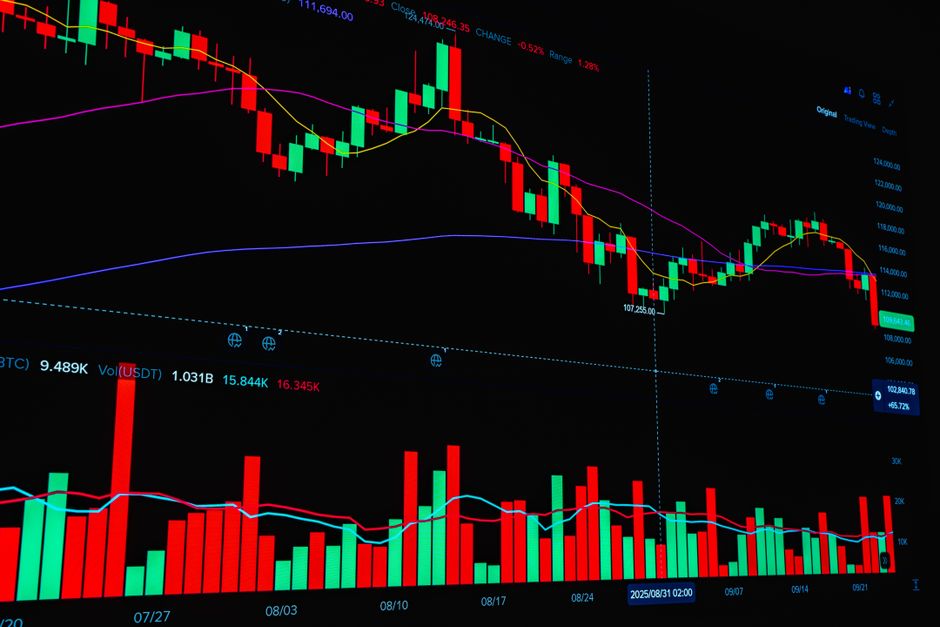

Ask yourself: Where is the invalidation level? If price reaches that point, what part of your reasoning has failed? If you cannot answer clearly, pause and reassess rather than inventing a stop after entry. Record the planned risk before placing a trade, and follow your own risk controls. This journal is an educational tool, not personalized financial advice.
Worked Example: A Hypothetical Moving-Average Signal
Imagine a trader sees price move above a rising moving average and receives a possible long signal from the Xhmaster Formula Indicator. The trader does not enter immediately. They check a higher timeframe, mark a prior swing high as resistance, and notice that price is approaching that zone.
The trader’s plan requires a candle close above the resistance zone before considering entry. The candle closes below it, so the trader records “no entry—confirmation not met” and saves a screenshot. That is still a useful journal entry: it documents a disciplined decision instead of counting every indicator alert as a trade.
In another instance, price may close above the zone and then hold it on a retest. The trader can document the planned entry, the level that invalidates the idea, and the risk before taking action. The point is not that this sequence must work. The point is that the decision has a repeatable explanation that can later be reviewed.
Example Journal Entry
Field Example note Market / timeframe Hypothetical currency pair / 15-minute chart; checked 1-hour structure. Signal Possible long signal from Xhmaster Formula Indicator; price above a rising moving average. Context Higher timeframe is ranging; price is approaching a prior resistance zone. Confirmation rule Wait for a full candle close above the marked zone; no entry on a wick alone. Entry / stop / outcome No trade: candle closed below resistance. No position taken and no trade outcome recorded. Setup screenshot Saved before the candle closed, with the signal, moving average, resistance zone, and planned condition. Review Followed the confirmation rule. Reassess only after reviewing a larger sample of similar situations.Reviewing Your Journal Without Chasing One Result
Review trades in groups rather than changing your approach after a single winner or loss. Look for patterns in execution: Did you enter before the candle close? Did you take signals directly into nearby resistance? Did you move stops farther away after entry? Did trades aligned with market structure behave differently from countertrend trades in your sample?
Track both outcomes and process. A profitable trade that broke your rules may be poor evidence that the decision was sound. A losing trade that followed a clear plan may still be a well-executed trade. Useful measures include rule adherence, average planned risk, and results grouped by market condition or setup type. Keep your categories consistent so comparisons are meaningful.
- Review a defined batch of journal entries on a regular schedule.
- Separate trades by relevant conditions, such as trend-aligned versus countertrend.
- Compare planned and actual entries, stops, and exits.
- Identify one process improvement to test in the next batch.
- Keep the original rules visible while testing changes; do not rewrite history.
Keep the Template Simple and Honest
A trading journal only helps if you keep using it. Start with the core fields: signal, trend and structure, support and resistance, candle-close confirmation, entry, stop, outcome, and screenshot. Add detail only when it helps answer a real review question. A short, accurate note is better than a long explanation written after the result is known.
Trading platforms and financial service providers vary by market and jurisdiction. If you use services connected with companies such as GCC Exchange or TMGM, check the relevant product information, fees, and regulatory details directly with the provider before making decisions. Mentioning a company does not imply endorsement or that a particular service is suitable for you.
Most importantly, do not confuse an alert with a complete setup. Put the signal in context, check the nearest zones, wait for the candle close your plan requires, and record the decision—even when that decision is to stand aside. Over time, your journal can help you see whether your rules are clear and whether you are following them. It cannot guarantee a profitable result, but it can make your process easier to examine and improve.